
Planning to dive Apo Island? It starts with one question: when should you go? The short answer is that diving is possible in many months of the year, but March through May often offers a particularly appealing combination of warmer water and calmer conditions. Your ideal dates still depend on wind, currents, experience and what you hope to see. This guide explains the seasons so you can plan from Dauin, Negros Oriental.
Why Apo Island is worth the trip
Apo Island sits off the southeastern coast of Negros Oriental and is celebrated for vibrant reef scenery, turtles and thriving marine life. It is a different underwater experience from Dauin’s dark volcanic sand. Where Dauin rewards patient searches for tiny animals, Apo Island invites you to look outward at coral gardens, reef fish and dramatic seascapes. Combining both makes for a varied dive trip.
March to May: a popular sweet spot
For travelers who can choose their dates freely, March, April and May are a sensible starting point. These months are frequently associated with relatively settled conditions, improving surface comfort and good opportunities for clear-water reef dives. The water is usually warm, although temperature varies by year and depth. Popular dates can book up, especially around holidays, so arrange diving and accommodation ahead of time rather than assuming that a boat will always have space.
June to October: flexibility matters
Diving does not stop when the wetter season begins. June through October can bring showers, changing winds and occasional rough crossings, but it can also reward flexible travelers with quieter periods. Rain on land does not automatically mean poor visibility underwater. What matters more on the day is wind direction, swell, current and recent weather. Build a spare day into your itinerary if Apo Island is a priority, and be prepared for a revised site or schedule when conditions require it.
November to February: beautiful days, changing winds
November through February can deliver memorable reef dives, but northeast monsoon winds, known locally as Amihan, sometimes make boat rides choppier. Cooler water can also feel noticeable during repeat dives. This is not a reason to avoid the season; it is a reason to ask a local dive professional about the forecast, appropriate exposure protection and suitable sites. An experienced team should decide whether conditions match the comfort and certification levels of the group.
What about visibility and water temperature?
Visibility around Apo Island is often good, particularly during settled weather, but there is no reliable number that applies to every dive. Current, plankton, rain and surface conditions can change the view quickly. Similarly, water temperatures commonly sit in the mid-to-high twenties Celsius, varying across seasons. Bring a wetsuit appropriate to your comfort level and remember that two dives in one day can feel cooler than a single short swim. Ask for current conditions rather than relying on an annual average.
When are turtles and reef fish easiest to see?
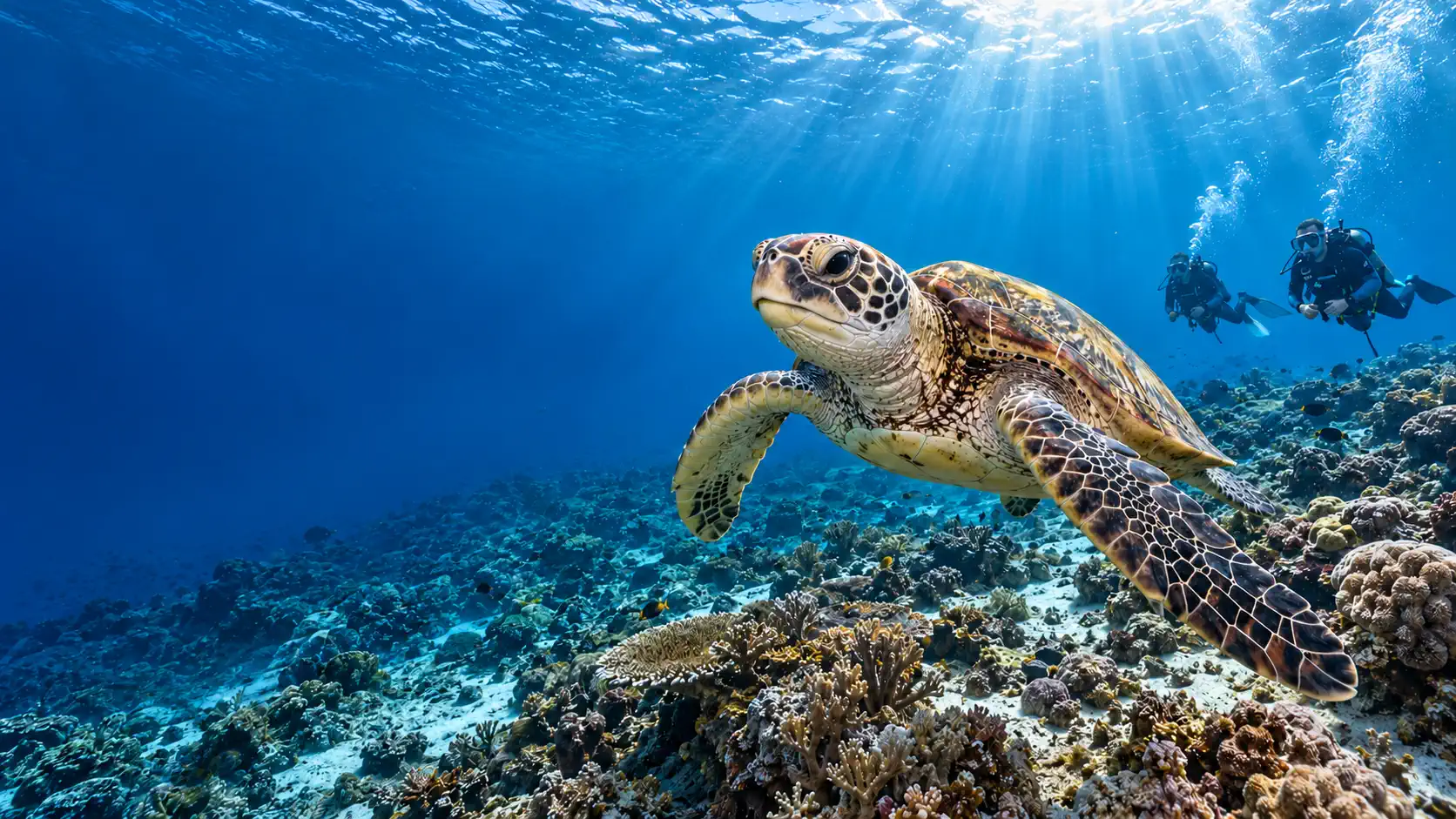
Apo Island’s marine life is the main attraction, yet wildlife never follows a booking calendar. Sea turtles and reef fish may be encountered in different months, while individual sightings depend on site choice and chance. Avoid thinking of a single month as a guaranteed turtle season. Your guide can select a dive site with your goals and ability in mind, but responsible viewing means keeping your distance, staying neutrally buoyant and never chasing or touching an animal.
Choosing dive sites for your skill level
Apo Island includes sites with different depths, exposure and currents. A calm-looking surface does not always indicate easy conditions underwater. Tell your dive team when you last dived, how many dives you have completed and whether you are comfortable with current. If you are newly certified, a gentler site may be more rewarding than a challenging drift. Safety-conscious operators adapt plans to conditions rather than insisting on a particular named site at any cost.
How to plan a diving day from Dauin
Dauin makes a convenient base for a dive-focused visit. Before booking, confirm departure point, meeting time, transport arrangements, equipment needs, park fees and what the trip includes. Ask whether the operator provides a briefing on local rules and current conditions. If your dates are tight, reserve the Apo Island day early in your stay so another suitable day may remain available if weather changes. Keep your final dive and onward flight schedule within appropriate no-fly guidance.
Apo Island or Dauin: why not both?
If you have two or three diving days, mix Apo Island’s reef scenery with Dauin’s macro sites. This gives you variety even when conditions favor one area over the other. Photographers may enjoy wide-angle reef scenes one day and small-subject hunting the next. Beginners can also learn important buoyancy and observation skills on suitable guided dives. Let conditions guide your itinerary.
Planning a trip to Apo Island starts with one question: when should you go? The short answer is that diving is possible in many months of the year, but March through May often offers a particularly appealing combination of warmer water and calmer conditions. Your ideal dates still depend on wind, currents, experience and what you hope to see. This guide explains the seasons so you can plan from Dauin, Negros Oriental.
Frequently asked questions
- What is the best month to dive Apo Island? March through May is a popular planning window, but excellent days can happen outside it.
- Can I dive Apo Island year-round? Trips may operate across the year when sea and weather conditions allow.
- Is Apo Island suitable for beginners? Some dives may be suitable, but site selection depends on current conditions, training and comfort.
- Should I reserve ahead? Yes, during holidays or when dates are fixed.
Plan your Apo Island experience with Wet Spot Scuba
The best time to dive Apo Island is the time when the conditions, your experience and your travel plans align. Wet Spot Scuba in Dauin can help you discuss the kind of underwater day you want and the training or guided-diving option that fits. Contact the team before your trip to ask about current arrangements, availability and suitable diving plans. Then arrive ready to enjoy the reef, respect the marine life and let the ocean set the pace.