
At first glance, Dauin’s dark volcanic sand may look quieter than a colorful coral wall. Look closer and a different universe appears. A tiny nudibranch crawls across the seabed, a frogfish disappears against its surroundings and a patient guide points out an animal you would have passed without noticing. This Dauin macro diving guide explains why the coastline near Dumaguete is loved by underwater photographers and curious divers, and how to explore it without disturbing its remarkable residents.
What makes Dauin a macro diving destination?
Macro diving means focusing on small subjects and fine details rather than sweeping underwater landscapes. In Dauin, volcanic sand, scattered rubble, reef patches and artificial structures can create habitats for cryptic marine life. The term muck diving refers to careful observation over sediment-rich bottoms that might initially appear empty. It is not about stirring up mud or touching the seabed. In fact, good buoyancy and controlled finning are essential to seeing the very animals you came to find.
Meet the stars: frogfish and nudibranchs
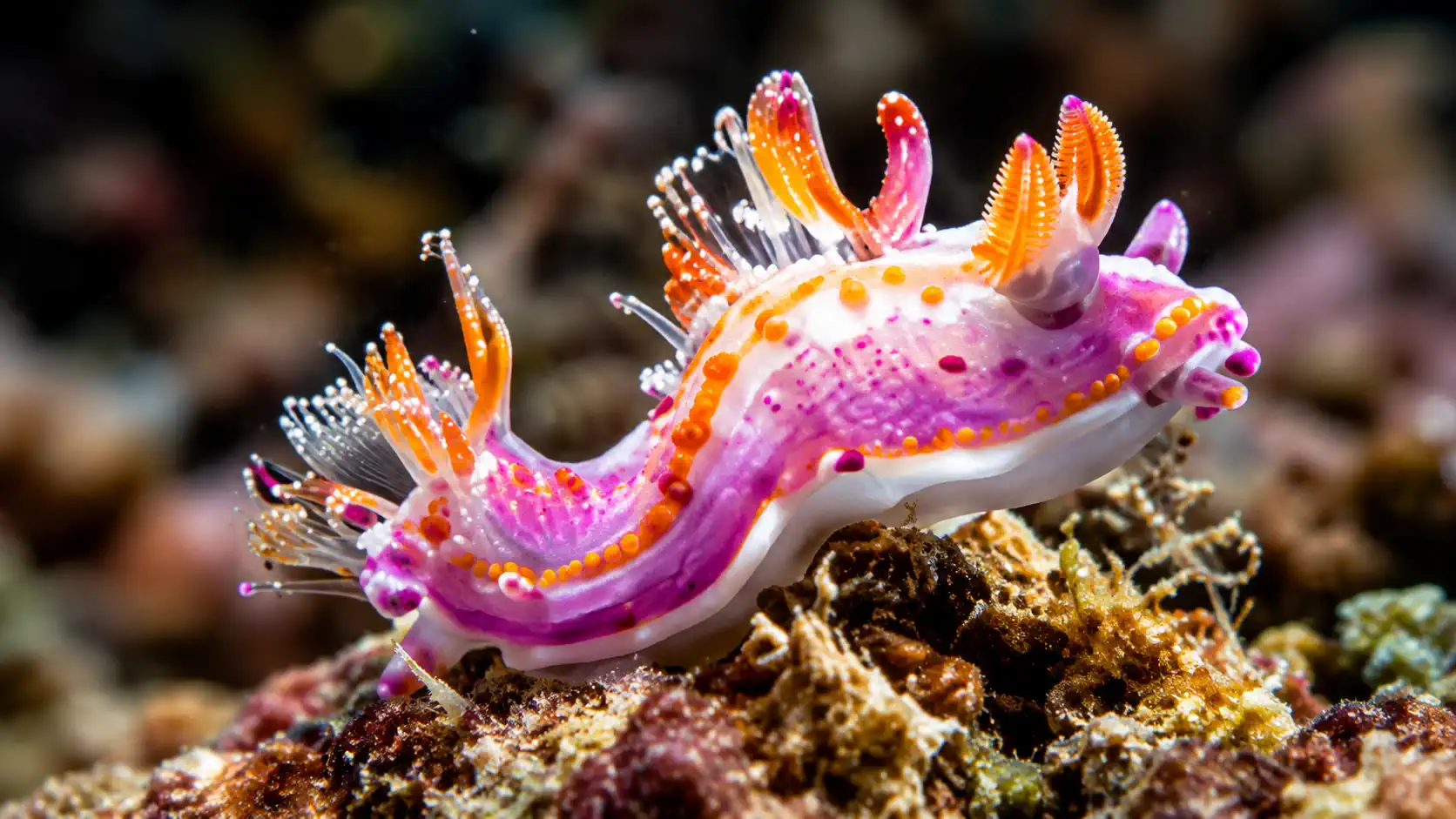
Frogfish are masters of camouflage, sometimes resembling sponges or textured rocks as they wait for prey. Nudibranchs, often called sea slugs, can be vivid, patterned and surprisingly small. Both make exciting photographic subjects because they reward a slow approach and a trained eye. Species and sightings vary by site, season and luck. Ask your guide what has recently been observed, but expect an exploration rather than a checklist with guaranteed sightings.
Other tiny creatures to watch for
Depending on habitat and conditions, macro-minded divers may also search for shrimp, crabs, pipefish, seahorses and juvenile fish. Some creatures live in association with anemones, soft corals or other animals, while others blend into the sandy bottom. Many are easier to identify after a guide explains the outline or behavior to look for. The most rewarding dives often involve appreciating common animals as well as the famous rare finds.
Why a local guide changes everything
The difference between a routine sandy dive and a memorable macro dive is often observation. Local guides spend time learning where different subjects tend to live and how to approach them without causing stress. Before entering, tell your guide whether you prefer photography, creature identification or simply a relaxed pace. Share your air consumption, experience and comfort with sandy slopes. A thoughtful guide will prioritize appropriate conditions and conservation over chasing the smallest or rarest species.
Buoyancy is your most important camera accessory
Good macro diving starts before the camera comes out. Adjust your weighting, establish neutral buoyancy and practice a stable position above the bottom. Keep fins, gauges and dangling equipment clear of sand and living surfaces. One careless kick can cloud a subject for everyone and damage fragile habitat. If you cannot hover comfortably, spend a dive developing that skill rather than forcing a difficult image. Better control also means calmer subjects and sharper pictures.
Photography tips for tiny marine life
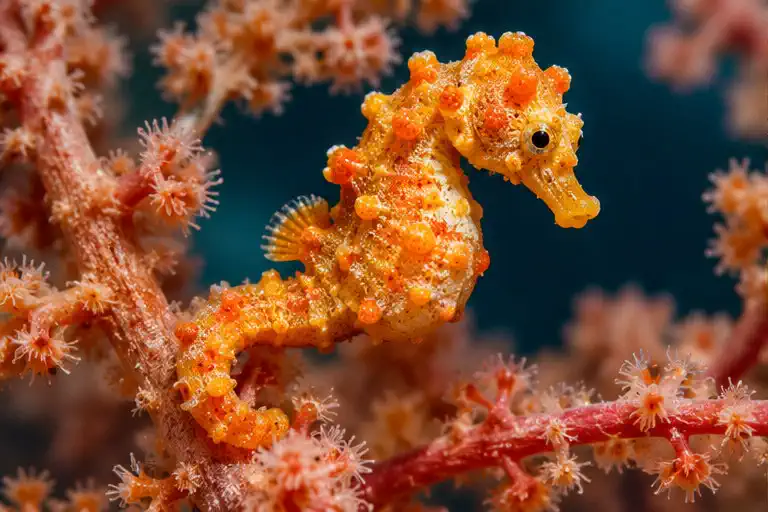
For underwater photographs, move slowly, check your surroundings and compose without trapping or repositioning an animal. A close-focus setup can help reveal texture, but no image is worth disturbing wildlife. Manage strobes carefully, avoid repeated high-intensity flashes at sensitive animals and never place equipment on living reef. If a subject retreats, changes behavior or looks stressed, back away. Photographers who respect their subject often leave with both better images and a better story to tell.
When should you dive Dauin for macro life?
Dauin offers macro opportunities throughout the year, although calm conditions make photography and subject spotting easier. March through May is a popular window for relatively settled seas, while other months can also provide rewarding dives and fewer visitors. Current, surge, visibility and rainfall differ between days and sites, so treat any seasonal advice as a planning guide, not a guarantee. A local dive team can suggest the most suitable spot based on recent conditions.
Muck diving versus Apo Island reef diving
These nearby experiences complement each other beautifully. Apo Island is better known for expansive coral reef scenery and larger views; Dauin invites you to slow down and find details hidden in plain sight. A photographer may choose a wide-angle setup for an Apo Island day and a macro lens for the next morning in Dauin. Divers without cameras benefit too: learning to see a tiny crab or well-disguised fish makes every future dive more interesting.
How to prepare for your first macro dive
Tell your dive operator about your certification, recent dive history and whether you have experience diving over sand. Carry only the camera equipment you can manage safely and secure all accessories. Use a dive light only as instructed, respect site rules and keep marine life untouched. Bring patience: spending several minutes calmly observing one patch of seabed can be more rewarding than swimming a long distance looking for something rare. Finish each dive with a careful ascent and conservation-minded habits.
Frequently asked questions
- Is Dauin macro diving only for photographers? No; anyone who enjoys marine life can appreciate it.
- Can beginners try it? Suitable sites may be available, depending on conditions and the diver’s skill level.
- Are frogfish guaranteed? No wildlife encounter is certain.
- What is the best lens? Macro photographers often use close-focus lenses, but safe buoyancy and patient observation matter more than expensive equipment.
Explore Dauin’s small wonders with Wet Spot Scuba
The secret to Dauin macro diving is simple: slow down and look carefully. Each safe, respectful dive offers another chance to notice a hidden creature or discover a new behavior. If you are planning a trip to Negros Oriental, speak with Wet Spot Scuba about suitable guided dives, refresher training or courses that can build your confidence underwater. Come prepared to explore with curiosity—and to protect the small creatures that make Dauin extraordinary.